
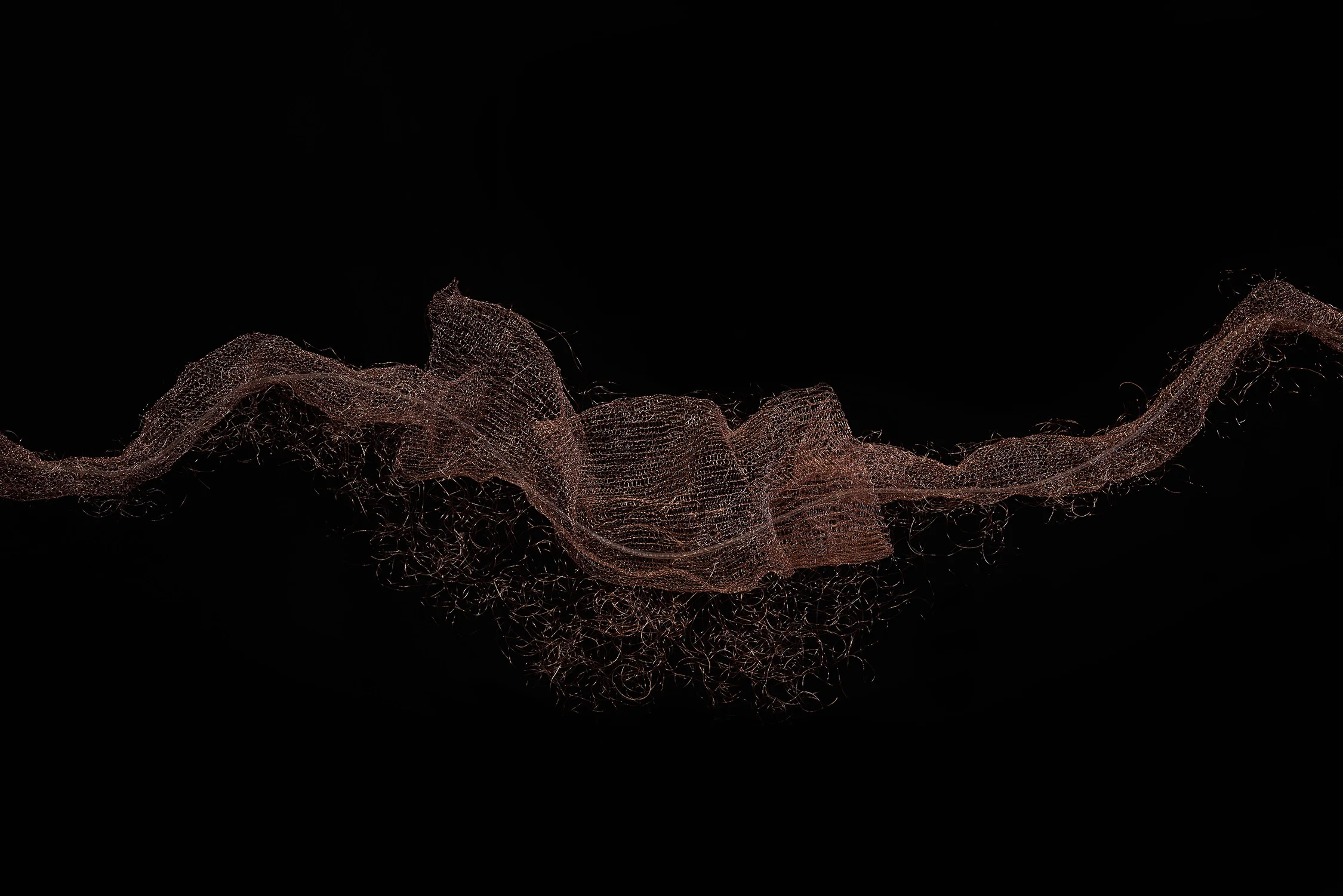
An energy chain—production, transmission, application, and then production once more—unfolds like a life cycle, a perpetual itinerary of light.
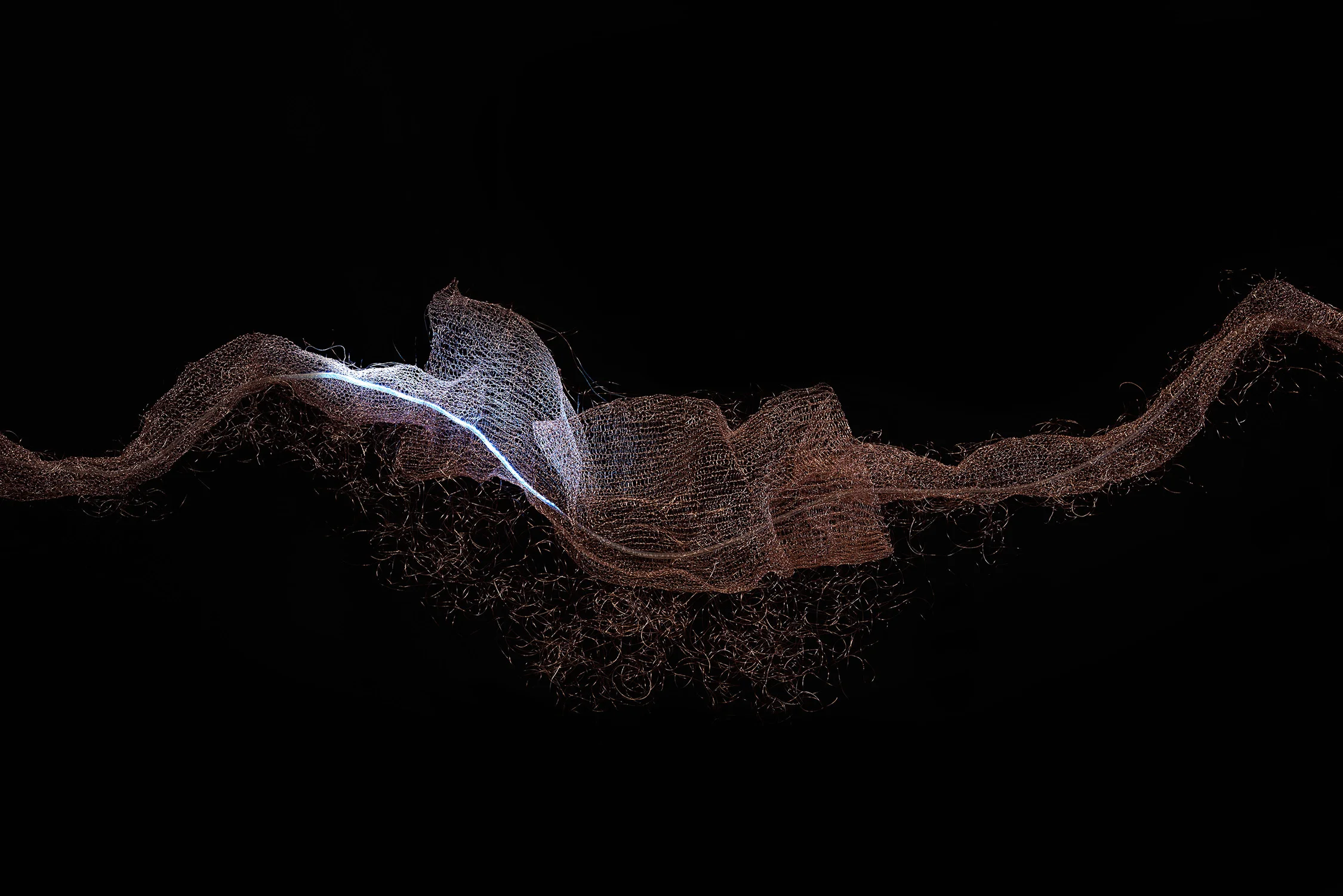
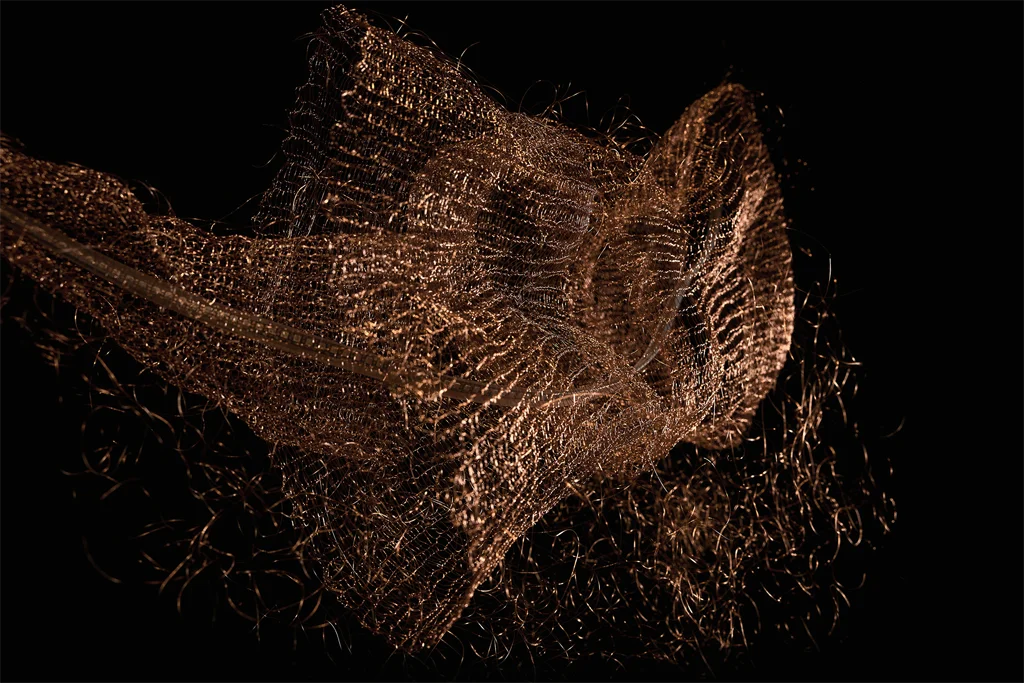
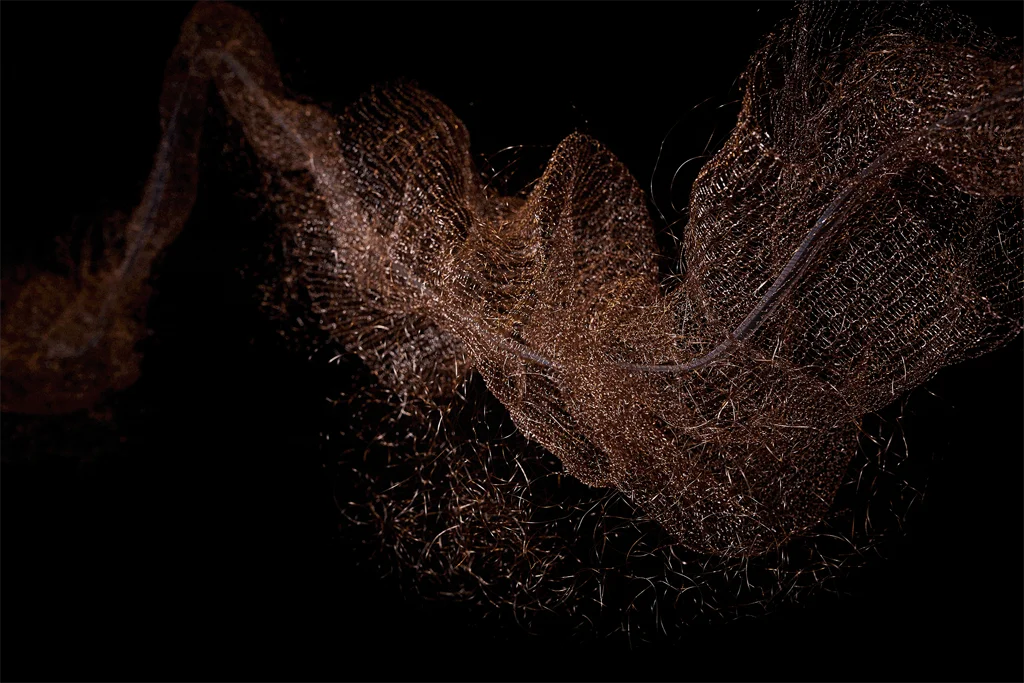
Braided copper cables compose a sequence of stations: climbing mountain ridges, descending into the seabed, settling within cities. Between these terrains, beams of energy surge and slip through the weave, as if TA YA’s stable power were dispersed everywhere—present, consistent, and unseen.
The luminous current moves slowly, then connects—thread to thread—suggesting TA YA’s solutions for tomorrow: guiding the industry across borders, steering forward into the future, into sustainability. A train of light, sparked from lightning itself, advances at an unhurried pace—entering the fast track of transmission, pausing at the points of storage, transmuting into a restrained red train. From the layer of governance and control, it is then dispatched—separating, arriving—toward every platform that needs warmth.
An energy chain—production, transmission, application, and then production once more—unfolds like a life cycle, a perpetual itinerary of light.
Braided copper cables compose a sequence of stations: climbing mountain ridges, descending into the seabed, settling within cities. Between these terrains, beams of energy surge and slip through the weave, as if TA YA’s stable power were dispersed everywhere—present, consistent, and unseen.
The luminous current moves slowly, then connects—thread to thread—suggesting TA YA’s solutions for tomorrow: guiding the industry across borders, steering forward into the future, into sustainability. A train of light, sparked from lightning itself, advances at an unhurried pace—entering the fast track of transmission, pausing at the points of storage, transmuting into a restrained red train. From the layer of governance and control, it is then dispatched—separating, arriving—toward every platform that needs warmth.
Hsin Lee’s work has a rare ability: she makes the invisible feel structurally real. Working with mirror-polished metals, titanium finishes, 316 stainless steel, nylon, and mixed media—often edged with the luster of jewelry relief, gold leaf, and crystal-like sparkle—she translates energy, time, humidity, and conviction into forms you can actually walk around, stand before, and sense in your body. Her practice lives in the in-between: stability and flux, matter and emotion, order and metamorphosis—held in a precise, deliberate tension.
In AUSPICIOUS, five supple branches become an introverted yet curious guardian of good fortune. It brushes the water curtain, steps lightly across a still surface, and lets its reflection drift outward—so a quiet, invisible steadiness seems to settle into the site. In Supercritical Fluid, she borrows the scientific language of phase states to speak about contemporary life: a stability produced by continual change, neither liquid nor gas, yet carrying the traits of both—an exact metaphor for living inside uncertainty. And in her Rooted Legacy works, she fuses the image of the tree with jewel-like surfaces: inheritance, roots, and memory set into a form that reads at once as a collectible object and as a place for the spirit to pause.
Hsin Lee isn’t simply making objects. She’s sculpting a shared sensation—letting the weight of the everyday catch the light, turning “steadiness” into something you can approach, and allowing belief to take root, quietly, inside form.